
The EPA has approved waivers for 29 small oil refineries, so they do not have to blend ethanol into gasoline — the highest level since 2017.
Iowa Agriculture Secretary Mike Naig calls the decision “unfortunate and unjustified.”
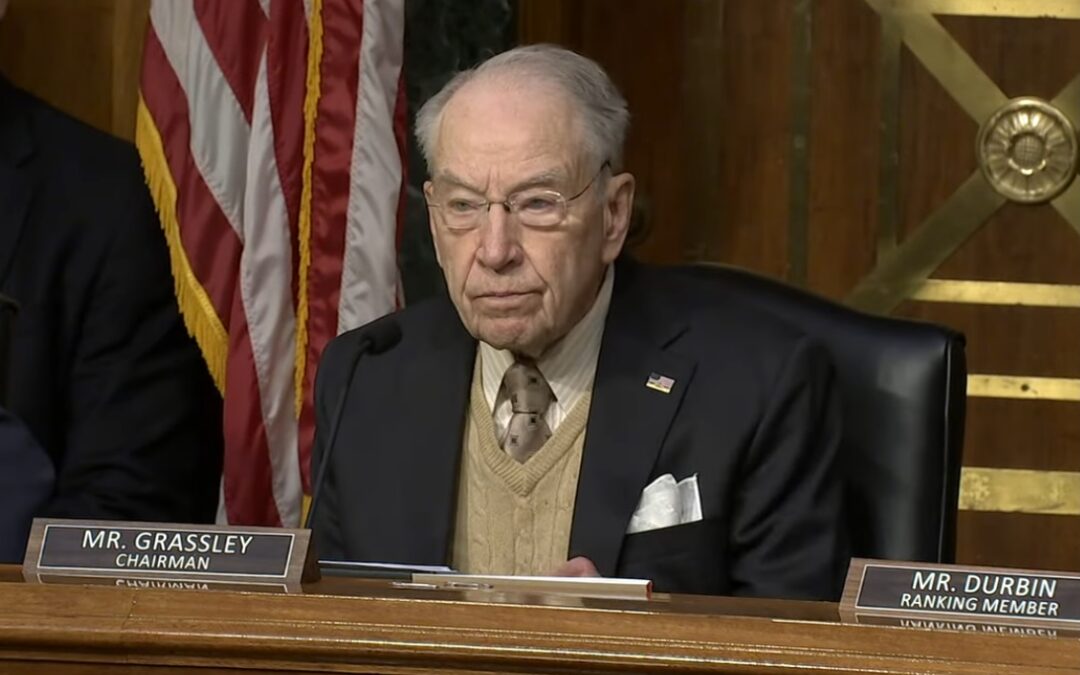
Iowa Senator Chuck Grassley says he lobbied the Trump Administration to minimize the impact of those exemptions for this year by raising ethanol blending requirements in the future.
“I had conversations with the White House and they adjusted considerably as a result of ours, particularly with a 100% reallocation,” Grassley says, “so, I thank the White House for listening to Iowa farmers.”
Secretary Naig is urging the EPA to quickly follow through on that promise. Grassley says 31,000 Iowans have jobs in the biofuels industry and the Trump Administration responded to concerns raised by Iowa’s congressional delegation.
“They did listen and did make adjustments,” Grassley says, “but I was very clear, one and eight tenths billion was too high. With the White House, was glad that we got full reallocation.”
Brian Jennings, CEO of the American Coalition for Ethanol, says petroleum products are outrageously expensive and oil refineries are posting record profits — and Jennings says it doesn’t make sense to exempt any refiners from blending low-cost renewable fuels into gasoline.
Iowa Renewable Fuels Association Executive Director Monte Shaw says the EPA needs to quickly make it clear they will protect the 2026 and 2027 biofuels blending requirements — and add on what was lost this year. Shaw says the historically high blending levels set for the next two years don’t mean a thing if they are undermined with refinery exemptions.